Afghanistan
A nation of resilience and tradition, navigating economic challenges and humanitarian needs
Phase 3
IPC Status/Food Security
$2.2B+
Estimated Total Buy Good Market
1/10
Digital Economy Participation Status
~40M
Estimated Total Population
Afghanistan at a Glance
A landlocked nation with vast natural resources, complex history, and ongoing socio-economic struggles.
GDP
$77 billion
(2021)
Poverty
Up to 97% below
the poverty line
Food insecurity
18.9 million
people face
severe hunger
Unemployment
Over 23%
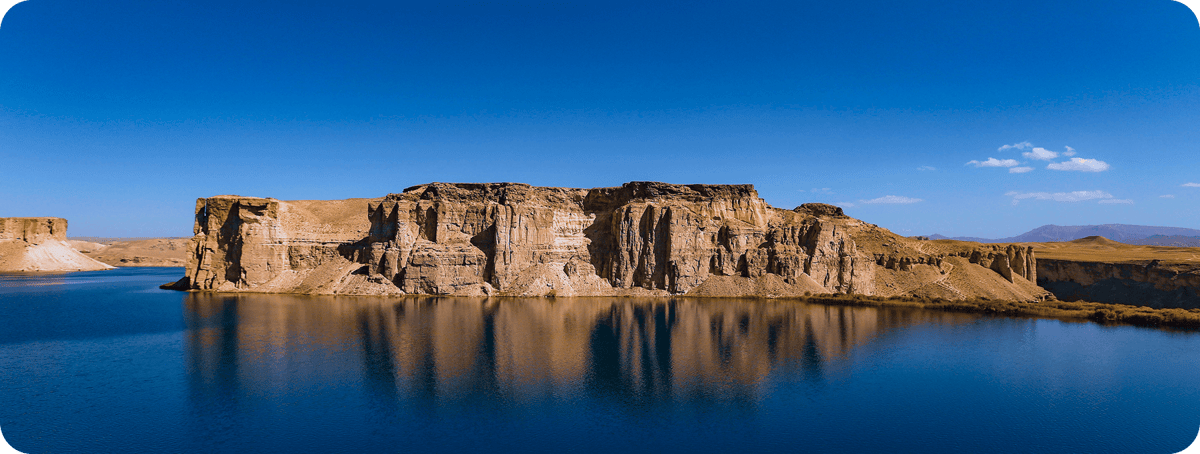
Afghanistan lies at the crossroads of Central and South Asia, bordered by Pakistan, Iran, Turkmenistan, Uzbekistan, Tajikistan, and touching China. Spanning 652,000+ km², it’s a land of rugged mountains, sweeping plains, and the Hindu Kush range, with Kabul as its capital.
Despite mineral wealth valued at over $1 trillion, and one of the world’s best heritage and artisan culture, the country faces immense challenges in accessing markets.
Priorities for Impact
Scaling artisan markets and delivering life-saving aid to millions of Afghans in need.
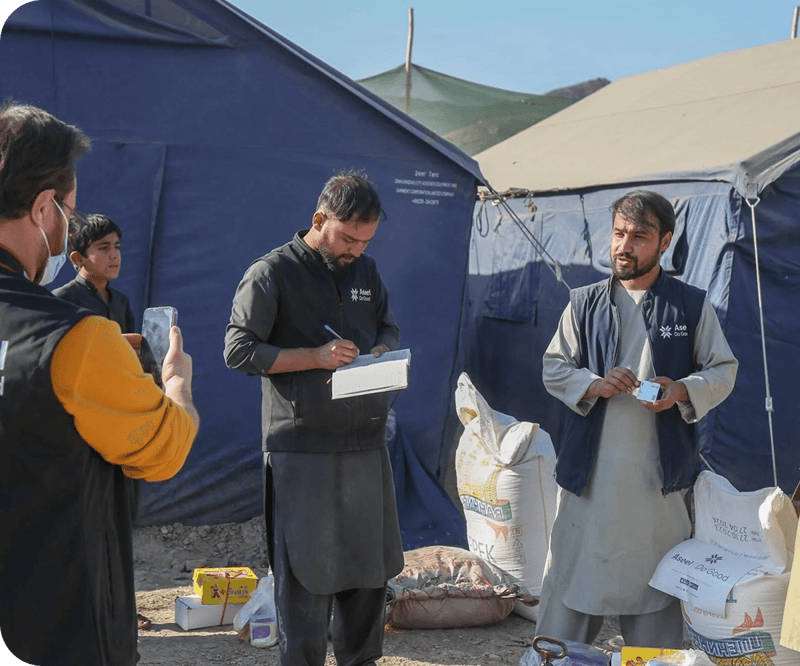
Do Good
Support 5 Million people with emergency aid.
Buy Good
Onboard 10,000 Afghan artisan businesses/SMEs
Do Good
Afghanistan has been deeply impacted by political instability, economic contraction, and humanitarian needs since the Taliban's takeover in August 2021
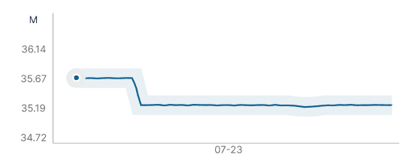
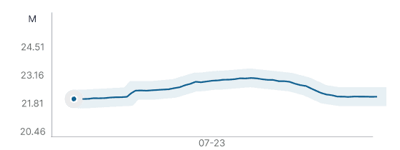
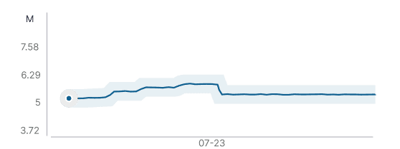
Food Security Snapshot: Afghanistan vs Uzbekistan
Prevalence of insufficient food consumption
Trend of the number of people with insufficient food consumption
Trend of the number of people using crisis or above crisis food-based coping
Trend of the number of people with insufficient food consumption
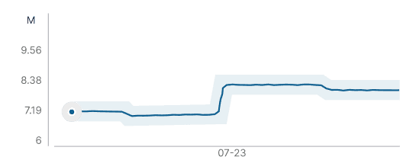
Trend of the number of people using crisis or above crisis food-based coping
Key Do Good Partners





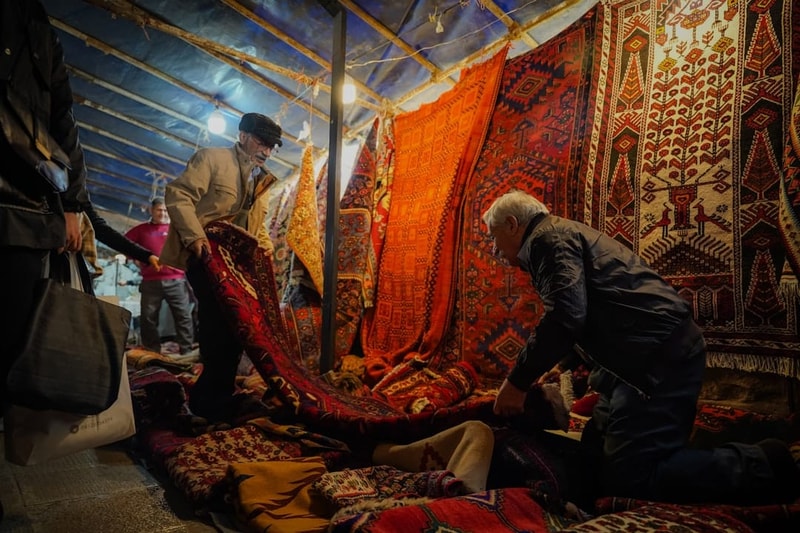
Buy Good
Over 1 million people work in carpet manufacturing across Afghanistan, producing carpets and related products. More than 95% of production occurs in households using independent looms.
Women Artisan businesses and household-based production
Key Value Chains Targetted
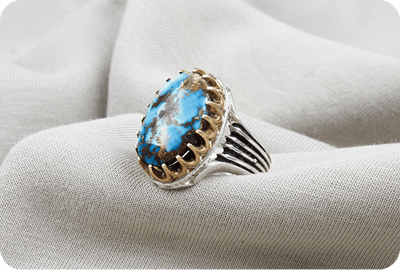
Traditional Afghan Products
Handmade embroidery from all regions including traditional clothing, Kuchi, lapis lazuli and gemstone jewelry, hand-thrown Herati glasses, estalifi pottery/ceramics, and traditional copper/brassware/woodwork (tea sets, and trays).
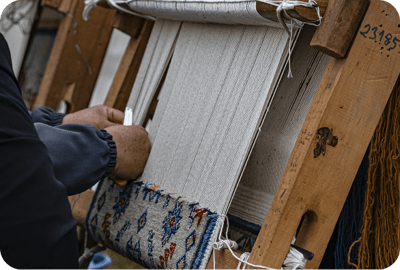
Handmade Carpets
Handmade Afghan carpets include hand-knotted Turkoman/Bokhara rugs, Baluchi tribal rugs, Herati/Persian-influenced floral carpets, flat-woven kilims, and Suzani-embroidered rug panels. Each style reflects its region or tribe through distinct motifs, dyes, and weaving techniques.
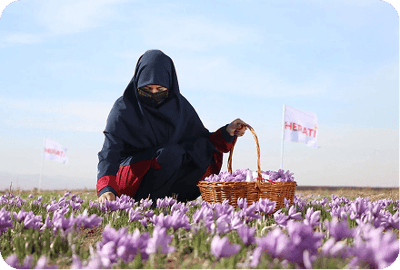
Afghan Saffron
Afghan saffron provides seasonal work for about 50,000 people in Herat, most of them women in harvesting and processing. It has been named the world’s best saffron nine years in a row by the International Taste Institute.
Key Buy Good Partners